01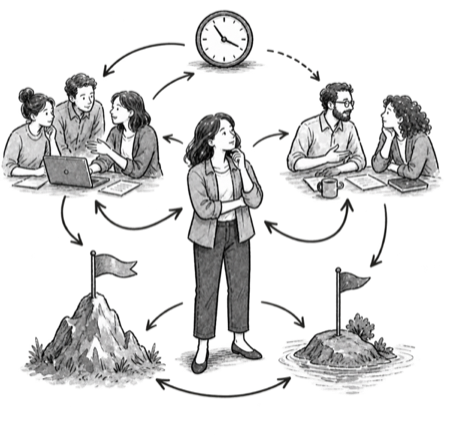
Leading in complexity
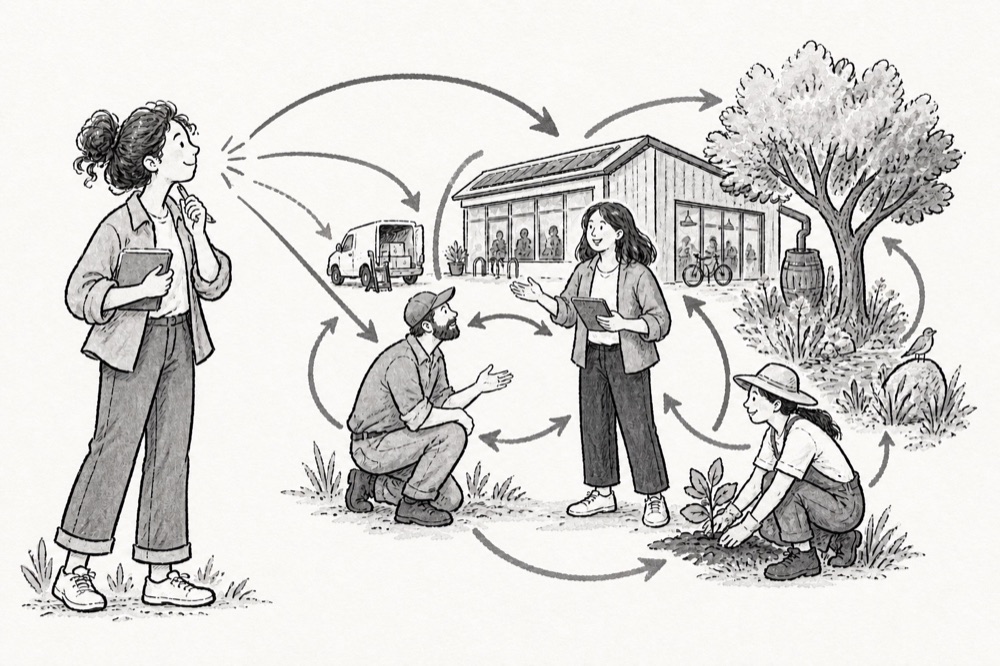
Notice reinforcing patterns, delays and conflicting goals before adding another initiative.
- Everything feels urgent
- Actions solve one problem and create another
- Teams wait for senior decisions


For leaders, educators and practitioners
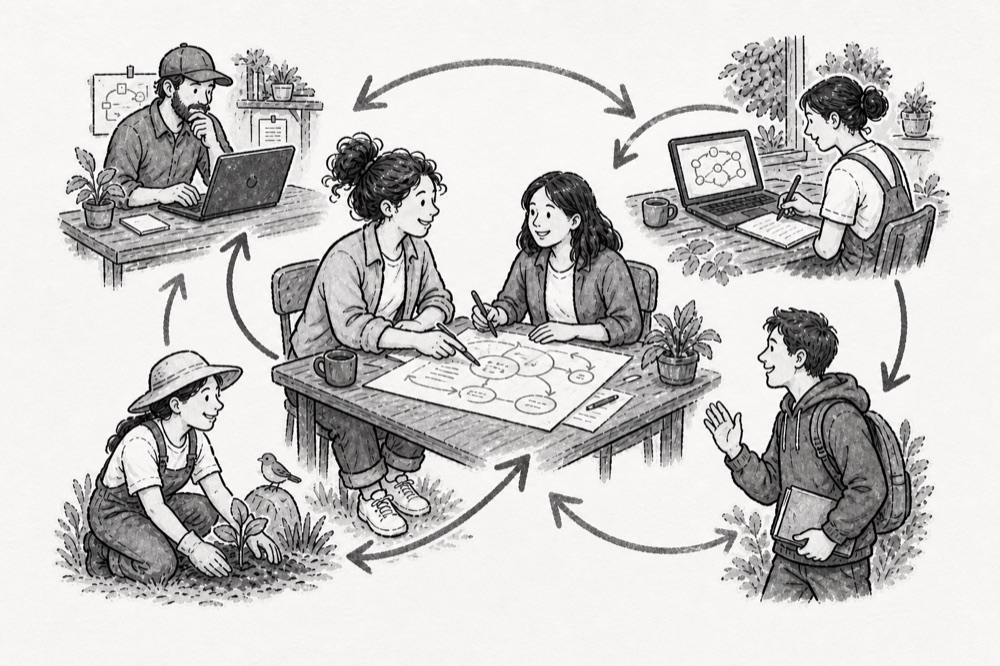
Build a reflexive practice of inquiry, action and interaction through real situations: difficult conversations, competing priorities, organisational tensions, uncertainty and change that refuses to follow the plan.
Explore the contexts↓Where complexity becomes practical
Practical systems literacy helps you slow down a premature answer, widen the frame, work with other perspectives and design the next responsible experiment. Peripeteia Praxis provides structure when intuition is no longer enough.
Peripeteia in practice ·leaders, educators and practitioners
Choose a familiar situation. The two Peripeteia lenses help you notice your own part in the pattern, learn through action with others and recognise the institutions shaping what feels possible.
Capacity grows through a recurring practice, not a one-off diagnosis.
Describe how each person defines the situation, what each is trying to protect and how your own framing makes their response appear irrational.
Replace one argument with a genuine question whose answer could change your next move.
Notice how the relationship responds. Treat tone, hesitation and a changed account as new evidence, not distraction.
What keeps the current pattern legitimate, expected and repeatable?
TRY THISAsk: ‘What are you seeing from your position that I may not be able to see from mine?’ Then do not rebut the answer.
Notice reinforcing patterns, delays and conflicting goals before adding another initiative.
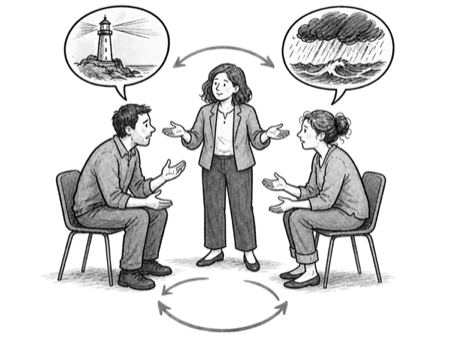
Explore how each person defines the situation and what improvement means from their position.
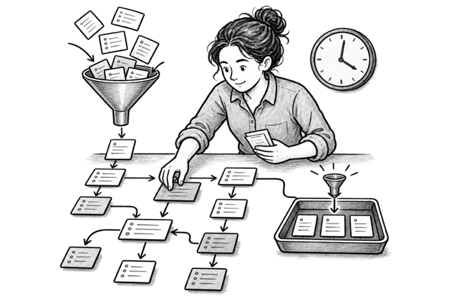
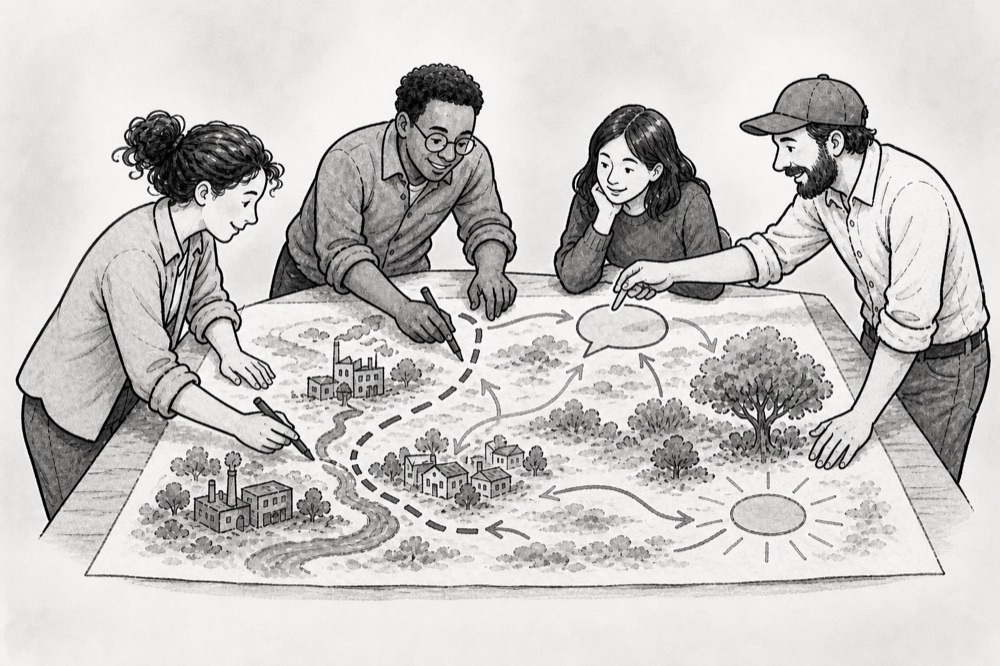
Map goals, concerns and dependencies so choices reflect structure rather than the loudest demand.
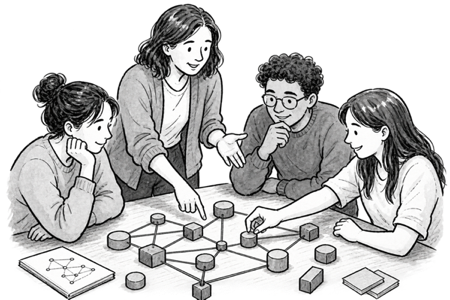
Help learners investigate systems, test models, examine evidence and reflect on responsibility.
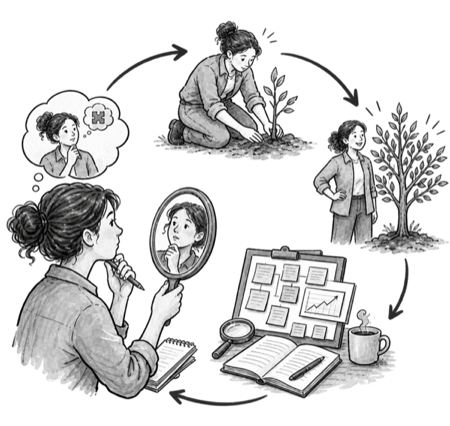
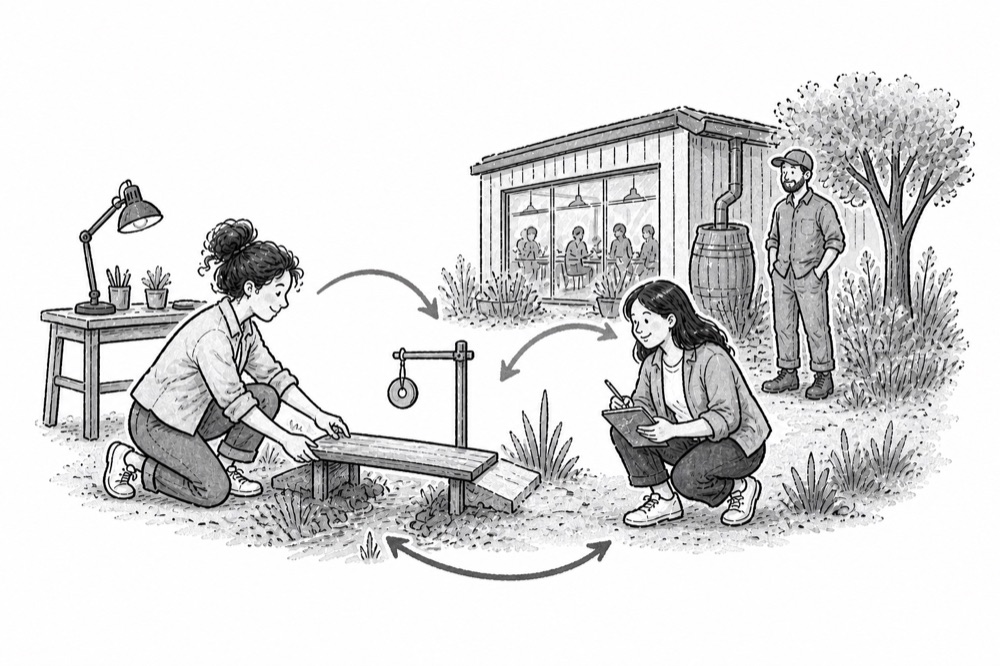
Learn from action by examining both results and the assumptions that made the action seem reasonable.

Treat a transition as a changing ecology of roles, relationships, identity, resources and possibilities.
How we work together
The journey is structured, but not rigid. Each stage changes what can be seen—and what becomes worth trying next.
Bring a real challenge rather than a simplified exercise.
Use one Praxis movement to make a hidden relationship, perspective or boundary visible.
Compare what you expected with what the inquiry revealed.
Choose a small action with a clear learning purpose.
Build a repeatable habit you can use without a facilitator.
↶ Learning changes the next situation. The path continues.
Ways to begin
Indicative formats and durations. We agree participants, session time, preparation, accessibility needs and outputs together before an engagement begins.
Introductory workshop
Indicative planning guidance—not a fixed package or a claim of results. Confirm the scope and suitability together.
Focused workshop
Indicative planning guidance—not a fixed package or a claim of results. Confirm the scope and suitability together.
Multi-session
Indicative planning guidance—not a fixed package or a claim of results. Confirm the scope and suitability together.
30 minutes
Open format
Use this today ·Relate
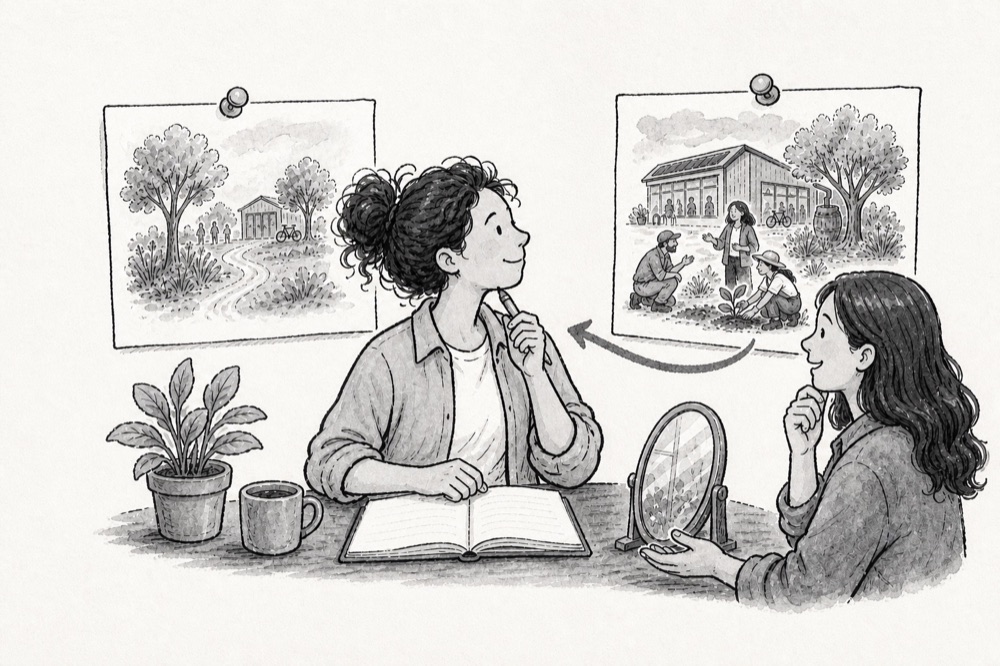
Describe the situation from your own perspective, then write how another person might describe it without making their version irrational or wrong.
ASK NOWWhat would have to be true for their response to make sense?More everyday principles →
Begin with the situation
Start a conversation
Tell us what is happening, who is involved and what feels difficult to move. We will use the first conversation to understand whether a focused inquiry, learning format or longer partnership is useful.