

Life · idea · continuing relevance
Humberto Maturana
Biologist · theorist of cognition · co-developer of autopoiesis
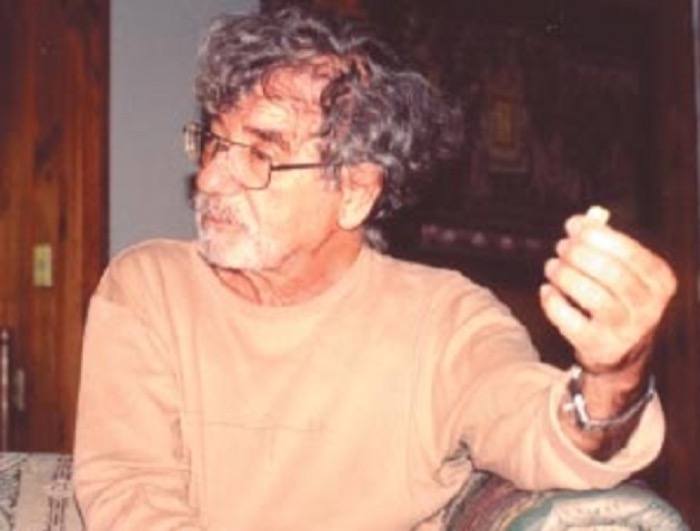
01 · LIFE AND CONTEXT
The person behind the pattern.
Humberto Maturana was a Chilean biologist whose research on vision led toward larger questions about cognition and living organisation. With Francisco Varela, he developed the concept of autopoiesis.
His later work explored language, emotion and coexistence, insisting that knowing is an activity of a living observer rather than a mirror of an independent world.
02 · THE CENTRAL IDEA
What changed through this work?
An autopoietic system continually produces the components and relations that constitute it as a unity. Living systems are operationally closed while remaining structurally coupled with an environment.
Cognition is therefore enacted through the history of interactions in which organism and medium change together.
03 · WHY IT MATTERED
A contribution to systems practice.
Maturana offered a precise account of living autonomy and profoundly influenced second-order cybernetics, family therapy and theories of social communication.
Peripeteia perspective
Reading the idea for today.
Applied carefully, autopoiesis cautions against treating organisations as machines. Change cannot simply be inserted; it is interpreted and incorporated through an organisation’s existing patterns of identity and conversation.
TRY THE IDEAAsk how a system maintains its identity and creates meaning through its own operations.
This section is Peripeteia’s contemporary interpretation—not a quotation or a claim made on the thinker’s behalf.
Connections across the library
No idea develops alone.
Selected starting points
Read the thinker in their own voice.
Show sources and reading list
- Autopoiesis and Cognition
- The Tree of Knowledge
- The Ontology of Observing
Titles are a curated orientation, not a complete bibliography. This profile is an original editorial synthesis informed by the Systems Thinkers collection and additional historical context.