01Early Cybernetics
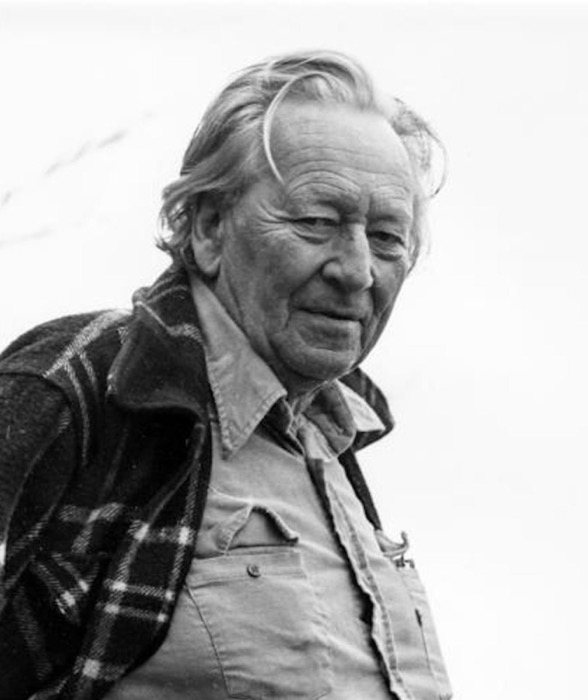 PORTRAIT STUDY
Gregory Bateson
Anthropologist · cybernetician · scholar of communication · 1904–1980
Patterns of relationship, communication, learning and an ecology of mind.
IN THEIR OWN WORDS“Information is a difference that makes a difference.”Steps to an Ecology of Mind, 1972
Try the ideaLook for the pattern connecting events instead of explaining each event alone.
- relationships
- learning
- communication
Meet the thinker→02Early Cybernetics
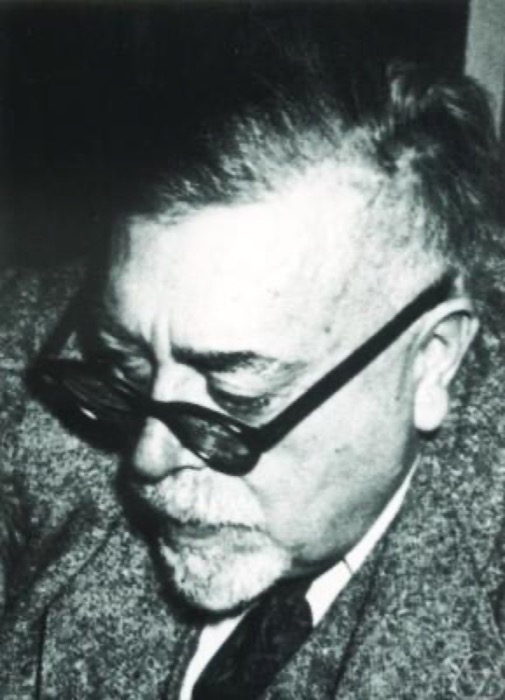 PORTRAIT STUDY
Norbert Wiener
Mathematician · founder of cybernetics · public critic of automation · 1894–1964
Cybernetics as the study of communication, control and feedback in living and mechanical systems.
IN THEIR OWN WORDS“We are not stuff that abides, but patterns that perpetuate themselves.”The Human Use of Human Beings, 1950
Try the ideaCompare intended performance with actual performance and use the difference to adapt.
- feedback
- communication
- control
Meet the thinker→03Early Cybernetics
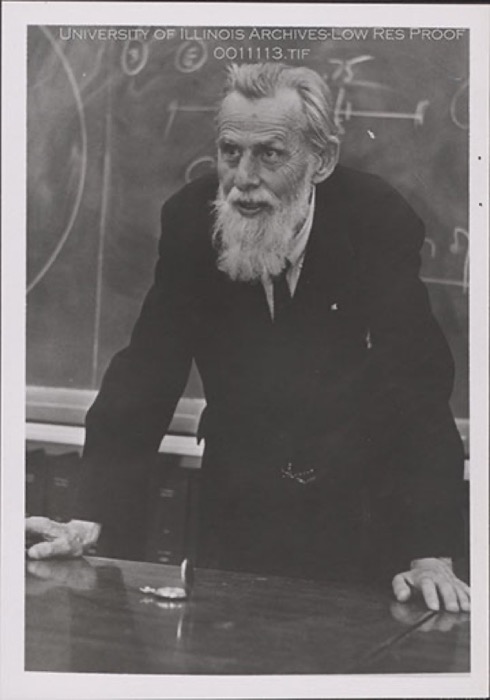 PORTRAIT STUDY
Warren McCulloch
Neurophysiologist · philosopher · early cybernetician · 1898–1969
Connected logic, neural activity and circular causality in early cybernetics.
IN THEIR OWN WORDS“What is a number, that a man may know it, and a man, that he may know a number?”Embodiments of Mind, 1965
Try the ideaTrace how signals and responses form a recurring circuit rather than a one-way cause.
- circularity
- networks
- information
Meet the thinker→04Early Cybernetics
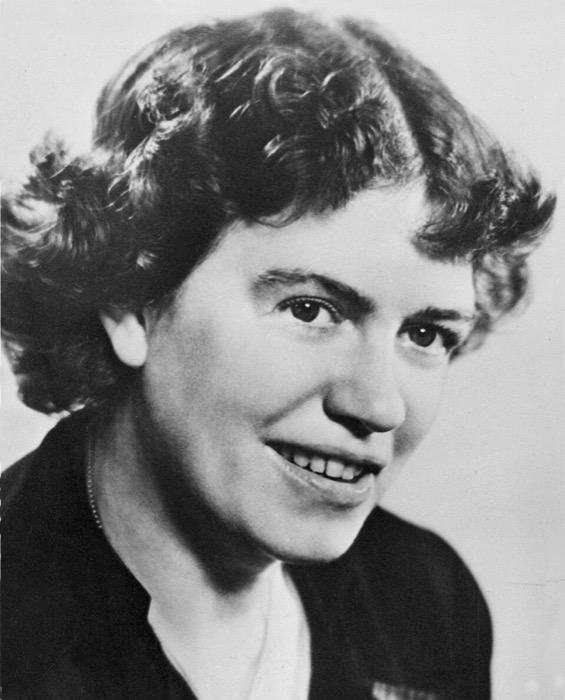 PORTRAIT STUDY
Margaret Mead
Anthropologist · public intellectual · cybernetics participant · 1901–1978
Linked anthropology, culture and cybernetics while emphasising reflexive observation.
IN THEIR OWN WORDS“As the traveler who has once been from home is wiser than he who has never left his own doorstep, so a knowledge of one other culture should sharpen our ability to scrutinize more steadily, to appreciate more lovingly, our own.”Coming of Age in Samoa, 1928
Try the ideaInclude the observer and the observation process in the account of the situation.
- culture
- observation
- reflexivity
Meet the thinker→05Early Cybernetics
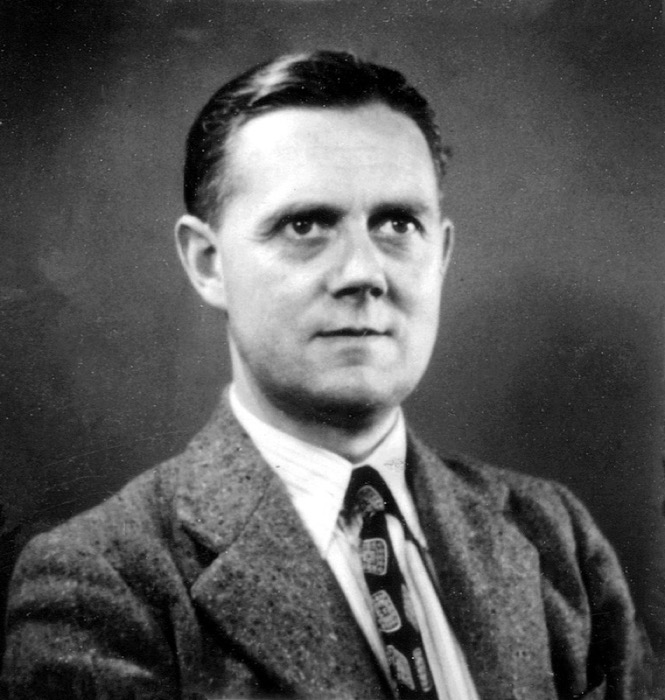 PORTRAIT STUDY
W. Ross Ashby
Psychiatrist · theoretician of regulation · cybernetician · 1903–1972
Self-regulation and the law of requisite variety: responses must match the variety of disturbances.
IN THEIR OWN WORDS“Only variety can destroy variety.”An Introduction to Cybernetics, 1956
Try the ideaAsk whether the available responses are as varied as the situation being managed.
- variety
- regulation
- adaptation
Meet the thinker→06General Systems Theory
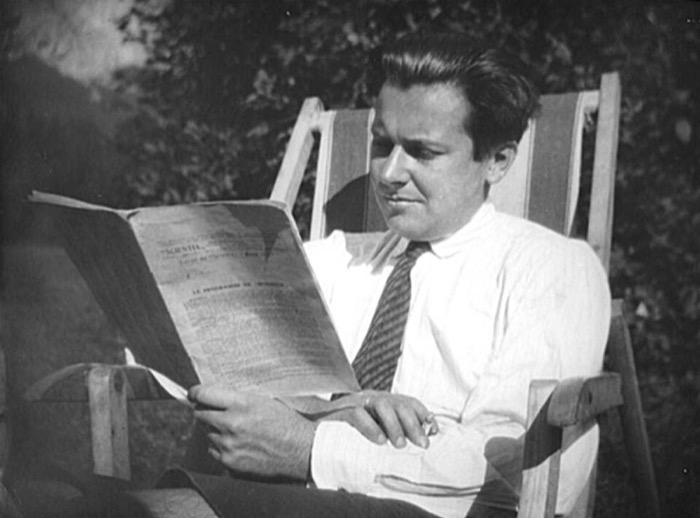 PORTRAIT STUDY
Ludwig von Bertalanffy
Biologist · founder of General System Theory · 1901–1972
Developed General Systems Theory and the study of open systems across disciplines.
IN THEIR OWN WORDS“A system may be defined as a set of elements standing in interrelation among themselves and with the environment.”General System Theory, 1968
Try the ideaStudy what crosses the system boundary: resources, information, energy and influence.
- open systems
- wholes
- environment
Meet the thinker→07General Systems Theory
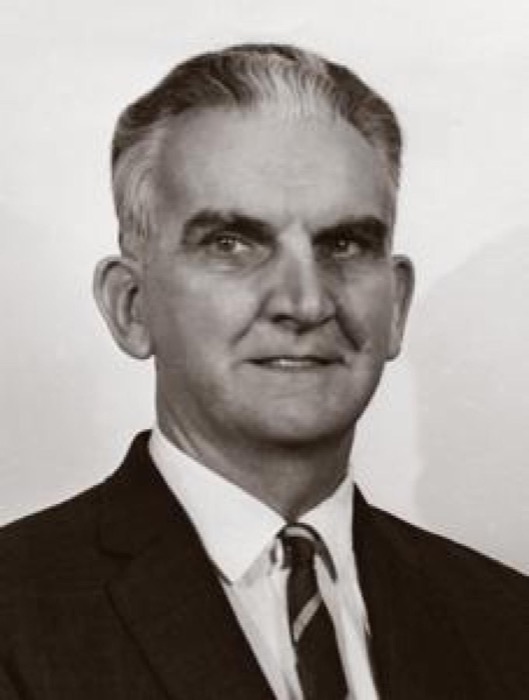 PORTRAIT STUDY
Kenneth Boulding
Economist · peace scholar · general systems theorist · 1910–1993
Explored levels of system complexity and the value of general systems concepts across fields.
IN THEIR OWN WORDS“We are born to love, as we are born to breathe and eat and drink.”The Practice of the Love of God, 1942
Try the ideaMatch the simplicity of the model to the real complexity of the situation.
Meet the thinker→08General Systems Theory
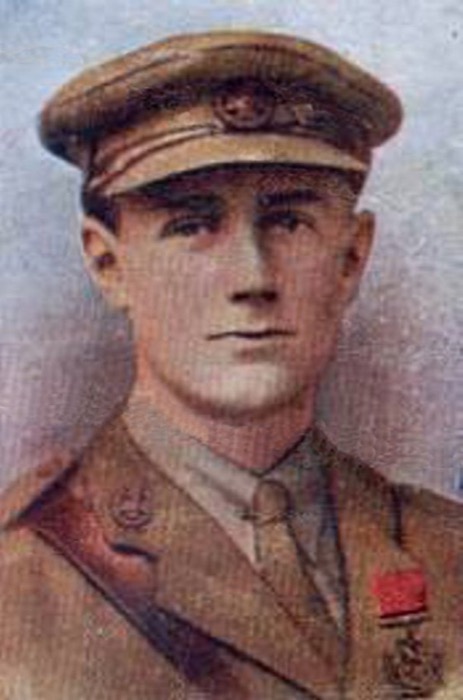 PORTRAIT STUDY
Geoffrey Vickers
Lawyer · administrator · theorist of judgement · 1894–1982
Appreciative systems: facts, values and standards develop together through judgement and learning.
IN THEIR OWN WORDS“What we are is written on the people whom we have met and known, touched, loved, hated and passed by. It is the lives of others that testify for or against us, not our own.”Letter to his son, 1924 · quoted in Blunden, 1984
Try the ideaAsk what you are noticing, how you are valuing it and which standard shapes the judgement.
- appreciation
- judgement
- values
Meet the thinker→09General Systems Theory
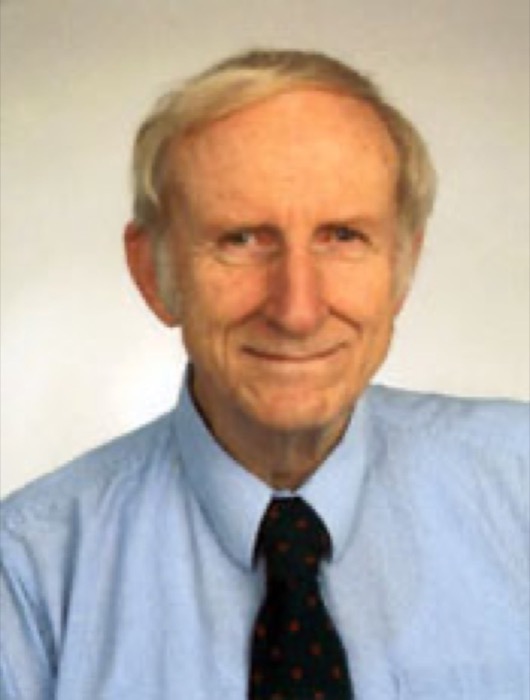 PORTRAIT STUDY
Howard Odum
Ecologist · systems modeller · energy analyst · 1924–2002
Systems ecology and energy-flow approaches connecting organisms, resources and environments.
IN THEIR OWN WORDS“Whereas men used to search among the parts to find mechanistic explanations, the macroscopic view is the reverse.”Environment, Power and Society, 1971
Try the ideaFollow the important flows and identify where transformation or constraint occurs.
Meet the thinker→10System Dynamics
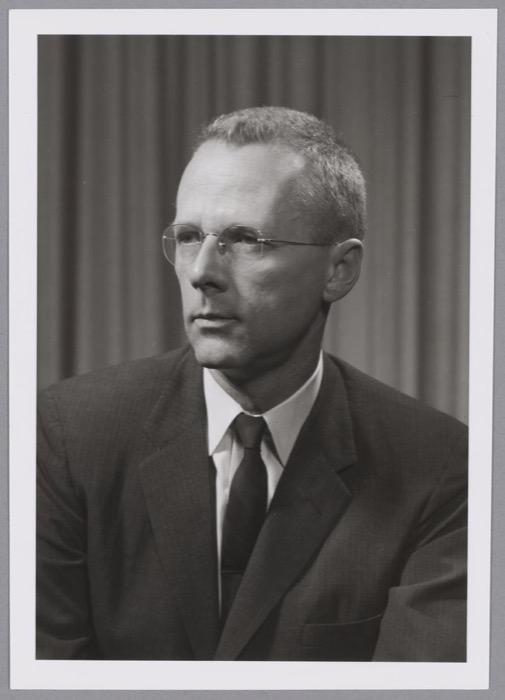 PORTRAIT STUDY
Jay Forrester
Engineer · computing pioneer · founder of System Dynamics · 1918–2016
Founded System Dynamics to explain behaviour over time through stocks, flows, feedback and simulation.
IN THEIR OWN WORDS“No plea about inadequacy of our understanding of the decision-making processes can excuse us from estimating decision-making criteria.”Perspectives on the Modeling Process, 1985
Try the ideaPlay a decision forward through feedback and delay before judging its effect.
Meet the thinker→11System Dynamics
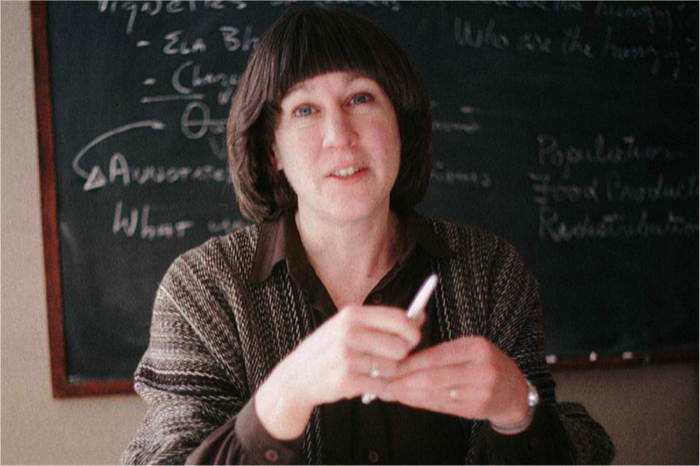 PORTRAIT STUDY
Donella Meadows
Environmental scientist · writer · systems educator · 1941–2001
Connected system dynamics, environmental limits, leverage points and accessible systems practice.
IN THEIR OWN WORDS“The world is a complex, interconnected, finite, ecological-social-psychological-economic system. We treat it as if it were not.”Whole Earth Models and Systems, 1982
Try the ideaLook for leverage in rules, information flows, goals and underlying assumptions—not only parameters.
- leverage
- sustainability
- limits
Meet the thinker→12System Dynamics
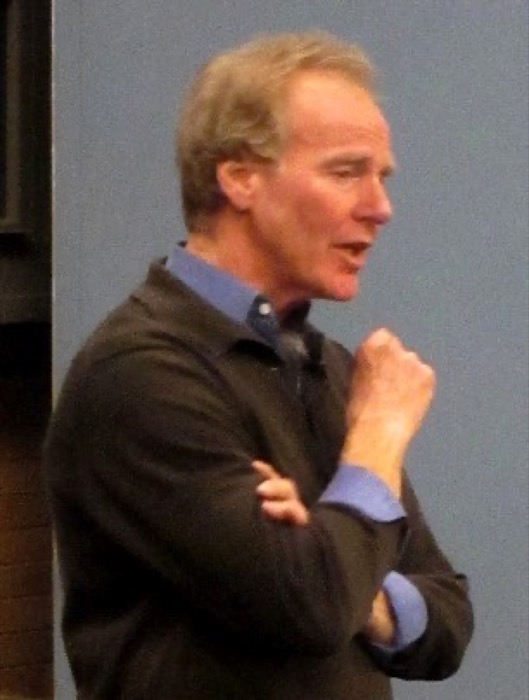 PORTRAIT STUDY
Peter Senge
Management scholar · organisational learning educator · Born 1947
Popularised the learning organisation and systems thinking as a management discipline.
IN THEIR OWN WORDS“Real learning gets to the heart of what it means to be human. Through learning we re-create ourselves.”The Fifth Discipline, 1990
Try the ideaMake the shared mental model discussable before asking a team to align around action.
- learning organisation
- mental models
- leadership
Meet the thinker→13Soft and Critical Systems
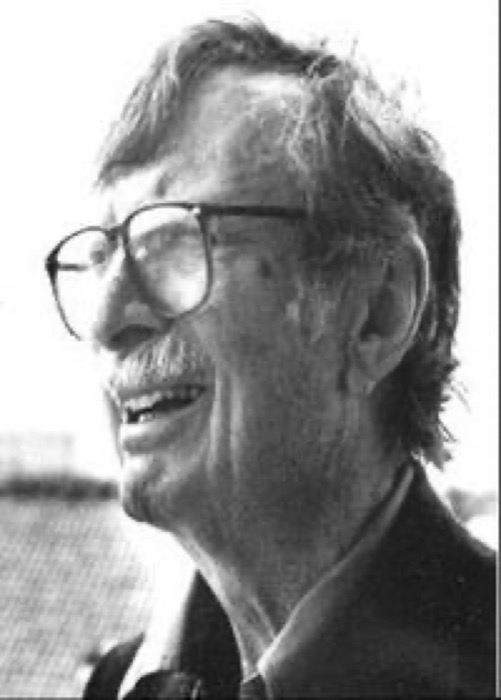 PORTRAIT STUDY
C. West Churchman
Philosopher · operations researcher · systems ethicist · 1913–2004
Placed ethics, responsibility and comprehensive inquiry at the centre of systems thinking.
IN THEIR OWN WORDS“The systems approach begins when first you see the world through the eyes of another.”The Systems Approach, 1968
Try the ideaSweep in another concern or stakeholder before claiming the analysis is complete.
- ethics
- inquiry
- responsibility
Meet the thinker→14Soft and Critical Systems
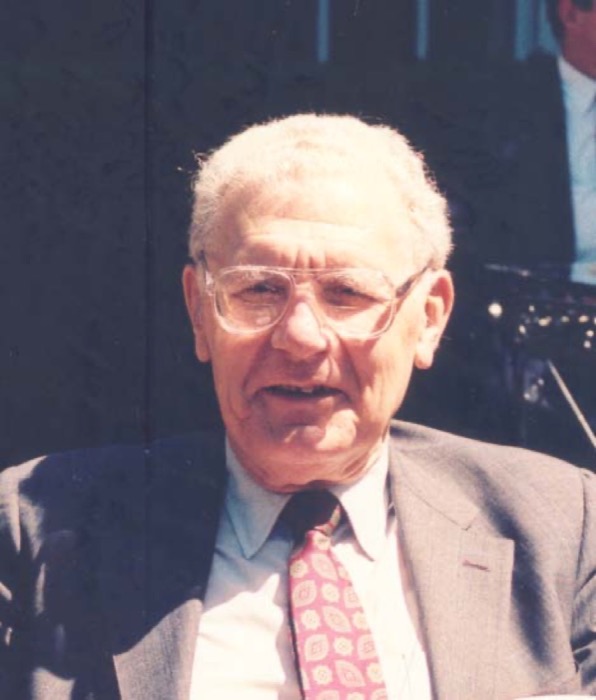 PORTRAIT STUDY
Russell Ackoff
Operations researcher · management educator · systems designer · 1919–2009
Applied systems approaches to management, interactive planning and interconnected problem situations.
IN THEIR OWN WORDS“A problem never exists in isolation; it is surrounded by other problems in space and time.”Redesigning the Future, 1974
Try the ideaAsk whether the system can be redesigned so the problem no longer has to be solved in its present form.
Meet the thinker→15Soft and Critical Systems
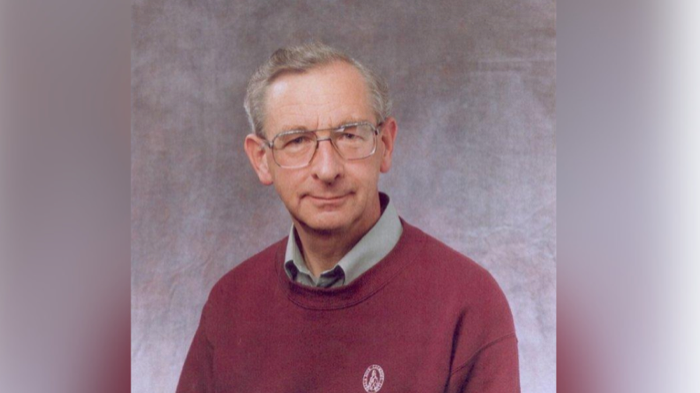 PORTRAIT STUDY
Peter Checkland
Management scientist · action researcher · developer of SSM · Born 1930
Developed Soft Systems Methodology through long-term action research in messy organisational situations.
IN THEIR OWN WORDS“The process of inquiry changes the situation being inquired into.”Systems Thinking, Systems Practice, 1981
Try the ideaTreat models as devices for learning about different worldviews, not representations of one objective system.
- SSM
- worldviews
- action research
Meet the thinker→16Soft and Critical Systems
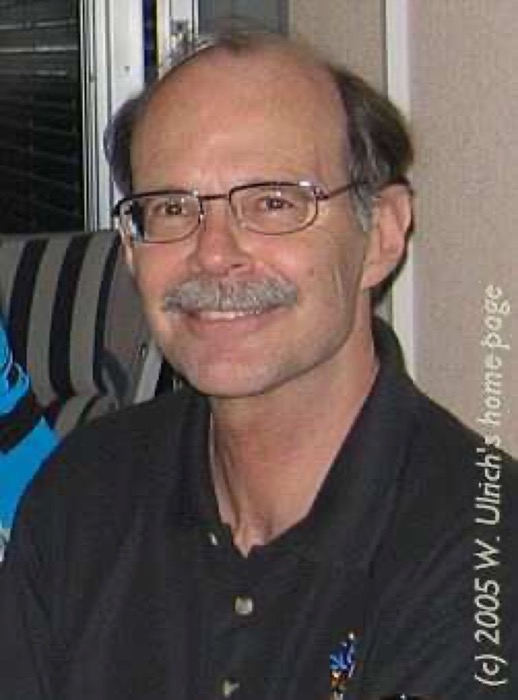 PORTRAIT STUDY
Werner Ulrich
Social planner · philosopher · developer of Critical Systems Heuristics · Born 1948
Developed Critical Systems Heuristics to examine boundary judgements, legitimacy and emancipation.
IN THEIR OWN WORDS“Boundary judgments determine which empirical observations and value considerations count as relevant and which others are left out.”Critical Systems Heuristics, 2002
Try the ideaCompare who benefits, decides, knows and is affected in the current design and in a more legitimate one.
- boundaries
- legitimacy
- power
Meet the thinker→17Soft and Critical Systems
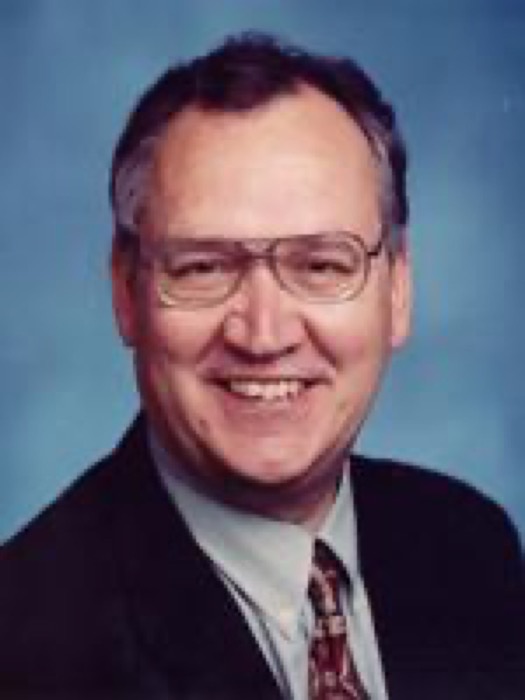 PORTRAIT STUDY
Michael C. Jackson
Management systems scholar · critical systems theorist · Born 1951
Advanced Critical Systems Thinking, methodological pluralism and attention to power in organisations.
IN THEIR OWN WORDS“There is no one systems approach that is best in all circumstances.”Systems Approaches to Management, 2000
Try the ideaSelect methods according to the situation while examining the assumptions and power relations each method can obscure.
- pluralism
- power
- method choice
Meet the thinker→18Later Cybernetics
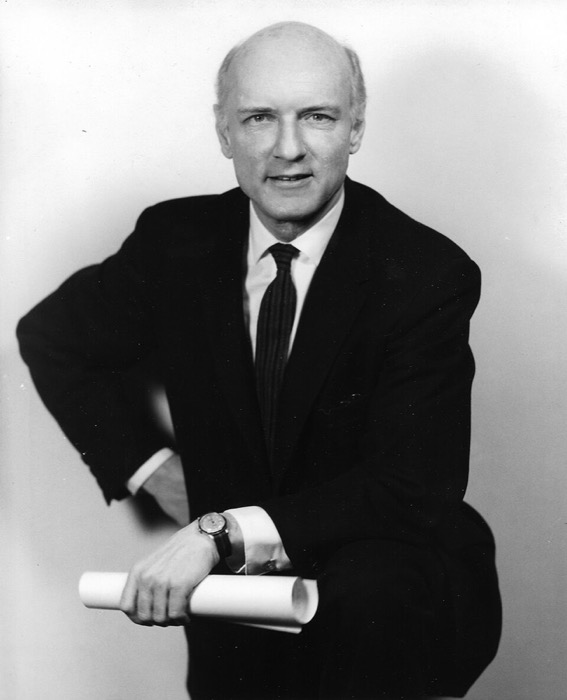 PORTRAIT STUDY
Heinz von Foerster
Physicist · cybernetician · constructivist · 1911–2002
Second-order cybernetics: the observer is part of the system being observed.
IN THEIR OWN WORDS“Act always so as to increase the number of choices.”Ethical imperative, 1973
Try the ideaDescribe how your role, distinctions and questions help produce what you see.
- observer
- second-order
- ethics
Meet the thinker→19Later Cybernetics
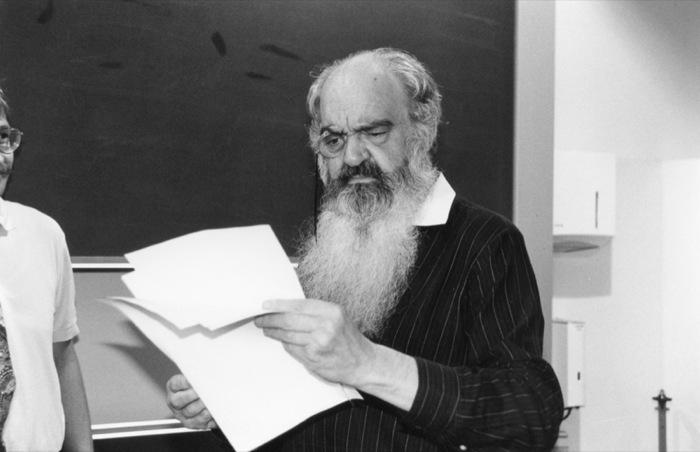 PORTRAIT STUDY
Stafford Beer
Management cybernetician · organisational designer · 1926–2002
Created management cybernetics and the Viable System Model for adaptive organisations.
IN THEIR OWN WORDS“The purpose of a system is what it does.”Diagnosing the System for Organizations, 1985
Try the ideaBalance operational autonomy with coordination, intelligence and a coherent identity.
- viability
- organisation
- autonomy
Meet the thinker→20Later Cybernetics
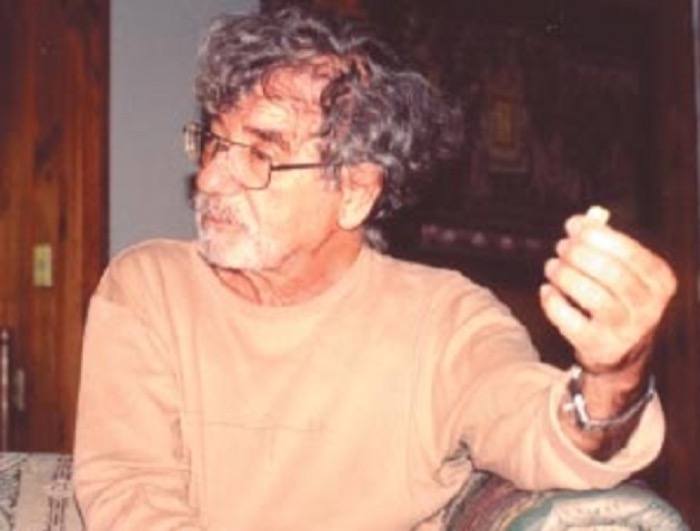 PORTRAIT STUDY
Humberto Maturana
Biologist · theorist of cognition · co-developer of autopoiesis · 1928–2021
Developed autopoiesis and a relational account of cognition, language and living systems.
IN THEIR OWN WORDS“Everything said is said by an observer.”Biology of Cognition, 1970
Try the ideaAsk how a system maintains its identity and creates meaning through its own operations.
- autopoiesis
- cognition
- language
Meet the thinker→21Later Cybernetics
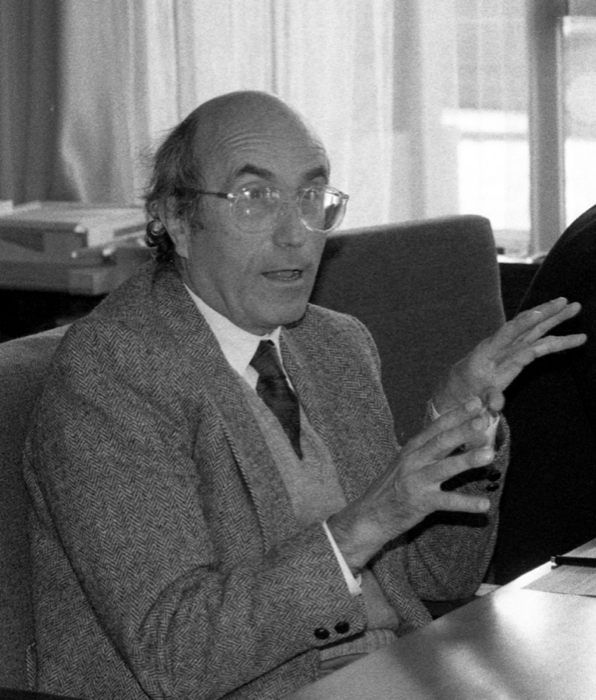 PORTRAIT STUDY
Niklas Luhmann
Sociologist · theorist of communication systems · 1927–1998
Developed a theory of social systems organised through communication.
IN THEIR OWN WORDS“Only communication can communicate.”Die Gesellschaft der Gesellschaft, 1997
Try the ideaObserve the communication pattern—not only the intentions or personalities of individuals.
- social systems
- communication
- meaning
Meet the thinker→22Later Cybernetics
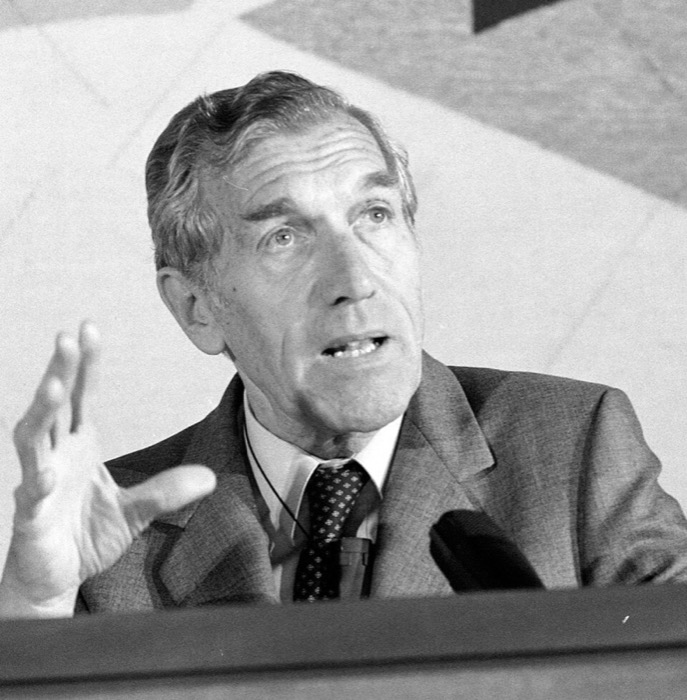 PORTRAIT STUDY
Paul Watzlawick
Psychologist · communication theorist · family therapist · 1921–2007
Explored communication patterns and distinctions between change within rules and change of the rules.
IN THEIR OWN WORDS“One cannot not communicate.”Pragmatics of Human Communication, 1967
Try the ideaAsk whether the attempted solution changes behaviour inside the pattern or changes the pattern itself.
- communication
- change
- interaction
Meet the thinker→23Complexity Theory
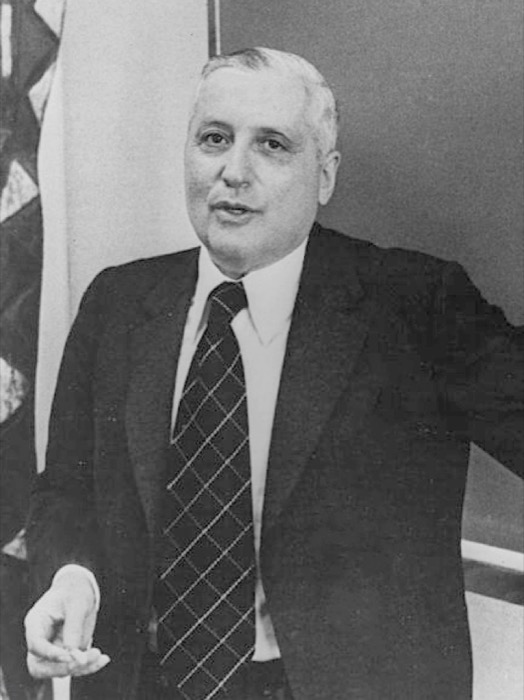 PORTRAIT STUDY
Ilya Prigogine
Physical chemist · Nobel laureate · theorist of irreversibility · 1917–2003
Explained how new order can emerge in open systems far from equilibrium.
IN THEIR OWN WORDS“The future is uncertain—but its uncertainty is at the very heart of creativity.”The End of Certainty, 1997
Try the ideaTreat instability as information about possible reorganisation, not only as deviation to suppress.
- emergence
- irreversibility
- self-organisation
Meet the thinker→24Complexity Theory
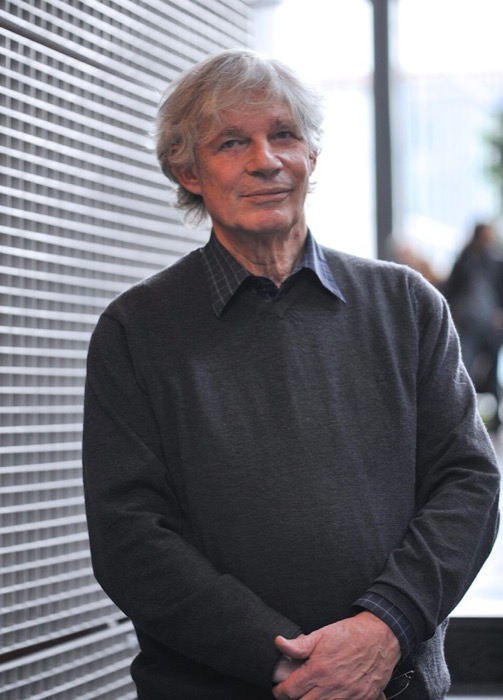 PORTRAIT STUDY
Stuart Kauffman
Theoretical biologist · complexity scientist · Born 1939
Studied self-organisation, complex adaptive systems and the adjacent possible.
IN THEIR OWN WORDS“We are at home in the universe.”At Home in the Universe, 1995
Try the ideaExplore several nearby possibilities instead of attempting to design the final state from the start.
- adaptation
- emergence
- possibility
Meet the thinker→25Complexity Theory
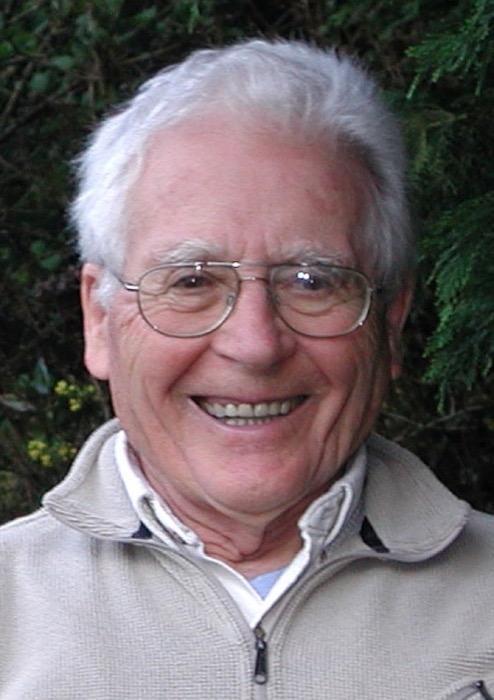 PORTRAIT STUDY
James Lovelock
Independent scientist · inventor · Earth-system thinker · 1919–2022
Developed the Gaia hypothesis to understand Earth as interacting self-regulating processes.
IN THEIR OWN WORDS“The Earth is more than just a home, it is a living system and we are part of it.”The Ages of Gaia, 1988
Try the ideaFollow interactions across scales before treating an environmental variable in isolation.
- earth systems
- ecology
- regulation
Meet the thinker→26Learning Systems
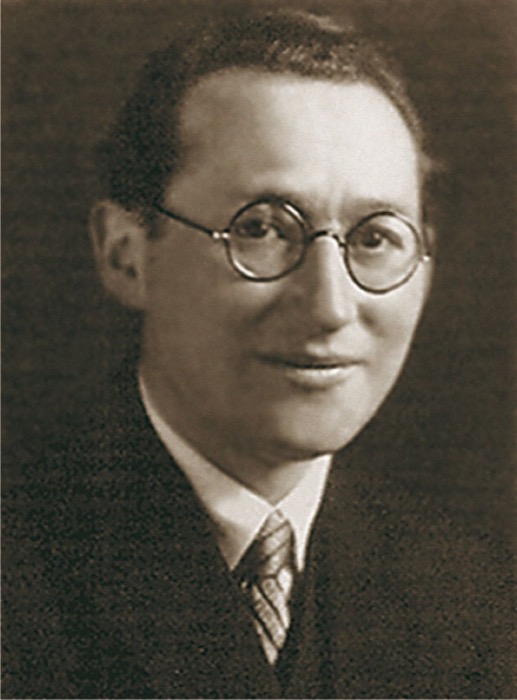 PORTRAIT STUDY
Kurt Lewin
Psychologist · founder of group dynamics and action research · 1890–1947
Founded action research and group dynamics, joining practical intervention with theory and learning.
IN THEIR OWN WORDS“There is nothing so practical as a good theory.”Field Theory in Social Science, 1951
Try the ideaPlan, act, observe and reflect with the people involved in the situation.
- action research
- groups
- change
Meet the thinker→27Learning Systems
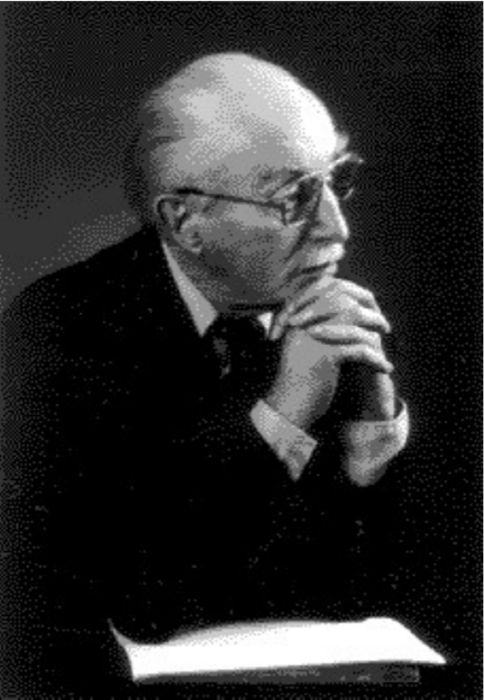 PORTRAIT STUDY
Eric Trist
Social scientist · Tavistock researcher · sociotechnical pioneer · 1909–1993
Developed sociotechnical systems thinking and the principle of jointly optimising social and technical design.
IN THEIR OWN WORDS“I found them down a coal mine by people who were already doing them.”On sociotechnical systems · Tavistock Institute
Try the ideaWhenever technology changes, redesign roles, relationships and learning at the same time.
- sociotechnical
- work
- organisation
Meet the thinker→28Learning Systems
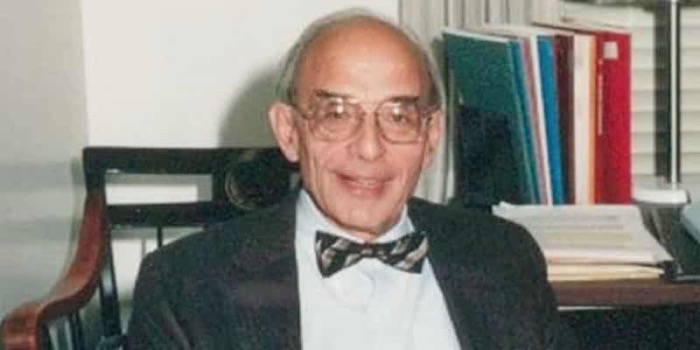 PORTRAIT STUDY
Chris Argyris
Organisational theorist · scholar of action and learning · 1923–2013
Developed actionable knowledge and double-loop learning in organisations.
IN THEIR OWN WORDS“Success in the marketplace increasingly depends on learning, yet most people don’t know how to learn.”Teaching Smart People How to Learn, 1991
Try the ideaQuestion the governing assumption that made the unsuccessful action seem reasonable.
- double-loop learning
- assumptions
- organisation
Meet the thinker→29Learning Systems
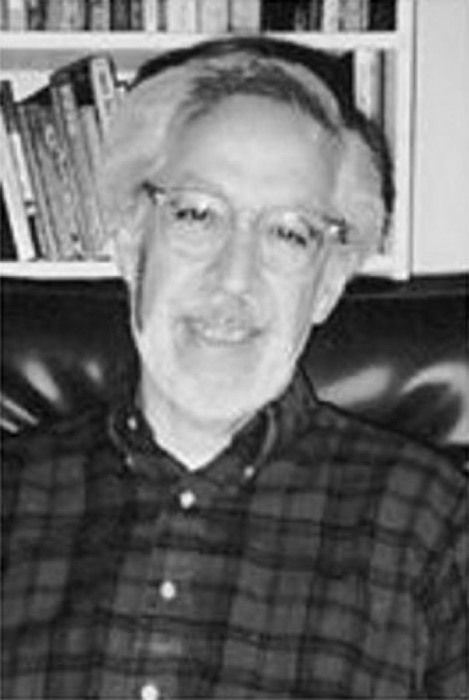 PORTRAIT STUDY
Donald Schön
Philosopher · educator · theorist of reflective practice · 1930–1997
Explored reflective practice and how professionals learn in and from uncertain action.
IN THEIR OWN WORDS“When someone reflects-in-action, he becomes a researcher in the practice context.”The Reflective Practitioner, 1983
Try the ideaNotice surprise while acting, adjust deliberately and reflect afterwards on the framing itself.
- reflection
- professional practice
- learning
Meet the thinker→30Learning Systems
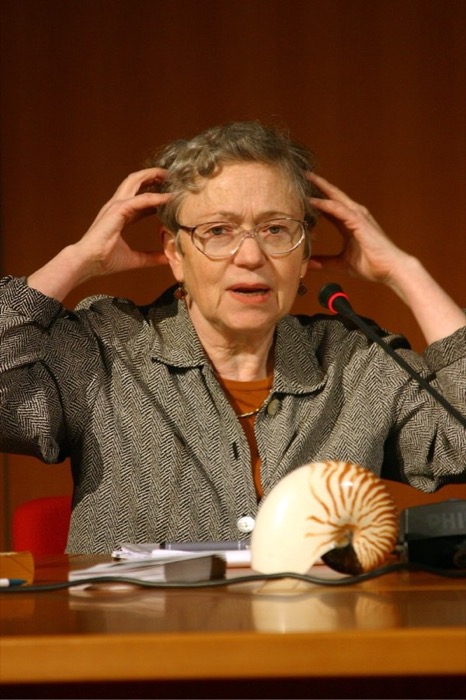 PORTRAIT STUDY
Mary Catherine Bateson
Anthropologist · linguist · writer on learning and improvisation · 1939–2021
Connected systems ideas with lifelong learning, culture, improvisation and human development.
IN THEIR OWN WORDS“We are not what we know but what we are willing to learn.”Willing to Learn, 2004
Try the ideaTreat the capacity to continue learning as more durable than any fixed body of knowledge.
- lifelong learning
- culture
- improvisation
Meet the thinker→